
Civil Project Managers oversee civil construction projects from planning through to completion. They bring together people, plant, materials, budgets and timelines to make sure projects are delivered safely, efficiently and to the required standard.
Depending on the project, they may manage roadworks, bridges, subdivisions, pipelines, drainage, utilities and other major infrastructure.
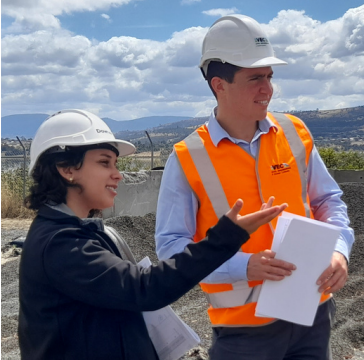
Project Manager Career Fact Sheet
Join a growing and rewarding industry,
with excellent income potential.
Learn more about the role of a project manager in the civil construction industry.
A simple pathway
Here are five ideas to help you become a Project Manager in the civil construction industry.
1
Get into the industry
Gain site experience, undertake work experience, a traineeship or enter through a graduate/cadet position.
2
Learn how civil projects work
Build your understanding of construction methods, safety, plans, scheduling, costs and site operations.
3
Build your qualifications
Consider Project Management, Civil Construction or Civil Engineering study depending on the pathway that suits you.
4
Look for opportunities to assist with planning, scheduling, budgets, reporting, procurement and coordination.
5
With the right combination of practical experience, technical knowledge and management skills, you can progress to managing civil construction projects.
How do I become a Civil Project Manager
You can begin in an operational or site-based role and build your experience over time.
Start in civil construction
↓
Build practical site experience
↓
Progress into roles such as Leading Hand, Supervisor, Project Coordinator or Contract Administrator
↓
Develop your project management skills and qualifications
↓
Move into Project Management
Practical construction experience can be extremely valuable because Project Managers need a strong understanding of how projects are actually delivered on site
A formal project management qualification can help you develop skills in planning, budgeting, risk, communication, resources and managing project delivery.
Diploma of Project Management Practice – BSB50820
This qualification develops skills in areas including:
- Project scope
- Time and scheduling
- Quality
- Cost management
- Risk
- Communication
- Human resources
- Project integration
In Tasmania, this qualification is available through TasTAFE.
Find out more:
TasTAFE – Diploma of Project Management Practice
Another common pathway is completing a university qualification in Civil Engineering and gaining practical industry experience.
Civil Engineering provides technical knowledge in areas such as structures, roads, water infrastructure, geotechnical engineering, hydraulics and construction.
In Tasmania, the University of Tasmania offers a Bachelor of Engineering (Specialisation) with Honours with a Civil Engineering specialisation.
The degree also includes industry experience, helping students build practical knowledge and industry connections.
Find out more:
University of Tasmania – Civil Engineering
What else will I need?
If you are working on a construction site, you will need to complete General Construction Induction Training and hold a White Card.
Find out more:
WorkSafe Tasmania – White Cards
Qualifications are important, but experience is just as valuable.
Look for opportunities such as:
- Work experience
- Graduate programs
- Cadetships
- Traineeships
- Project Administrator roles
- Project Coordinator roles
- Site-based positions
These roles can help you understand how civil projects operate and build the experience needed to progress into project management.
TasTAFE
Diploma of Project Management Practice – BSB50820
University of Tasmania
Bachelor of Engineering (Specialisation) with Honours – Civil Engineering
WorkSafe Tasmania
White Card and construction safety information
training.gov.au
National information about recognised Project Management qualifications
What if I am still at school?
If you’re interested in becoming a Project Manager in civil construction, you don’t need to have everything figured out yet. While you’re at school, focus on keeping your options open and getting some experience of the industry.
- Focus on Maths – especially Maths Methods if you might consider Civil Engineering at university.
- Consider Physics or Physical Sciences – useful for an engineering pathway.
- Build your communication skills – Project Managers work with clients, engineers, workers, contractors and suppliers every day.
- Look at VET subjects – construction, engineering, design and technology courses can provide valuable practical experience.
- Get work experience – ask about opportunities with civil contractors, engineers or infrastructure projects.
- Explore school-based apprenticeships or traineeships – a great option if you enjoy hands-on learning.
- Develop leadership and teamwork skills – through school, sport, volunteering or part-time work.
- Build your digital skills – spreadsheets, technology, design and computer skills are increasingly important in civil.
- Work towards your driver’s license – being able to travel to different worksites is valuable in the industry.
- Talk to people in civil – attend career expos, site visits and industry programs and ask people how they got into their roles.
Most importantly: keep both the university and practical/VET pathways open where possible. There are several ways to eventually become a Civil Project Manager.